Stop Losing Jobs to Whoever Quotes First
Every RFQ that sits on your desk overnight is a job someone else can win. MetaBinary rolls material cost, scrap, and machine time into a quote for you. So you can answer fast and still price the job right.
See it priced for a job like yours
20 minutes. Bring one RFQ you'd normally spend an evening on.
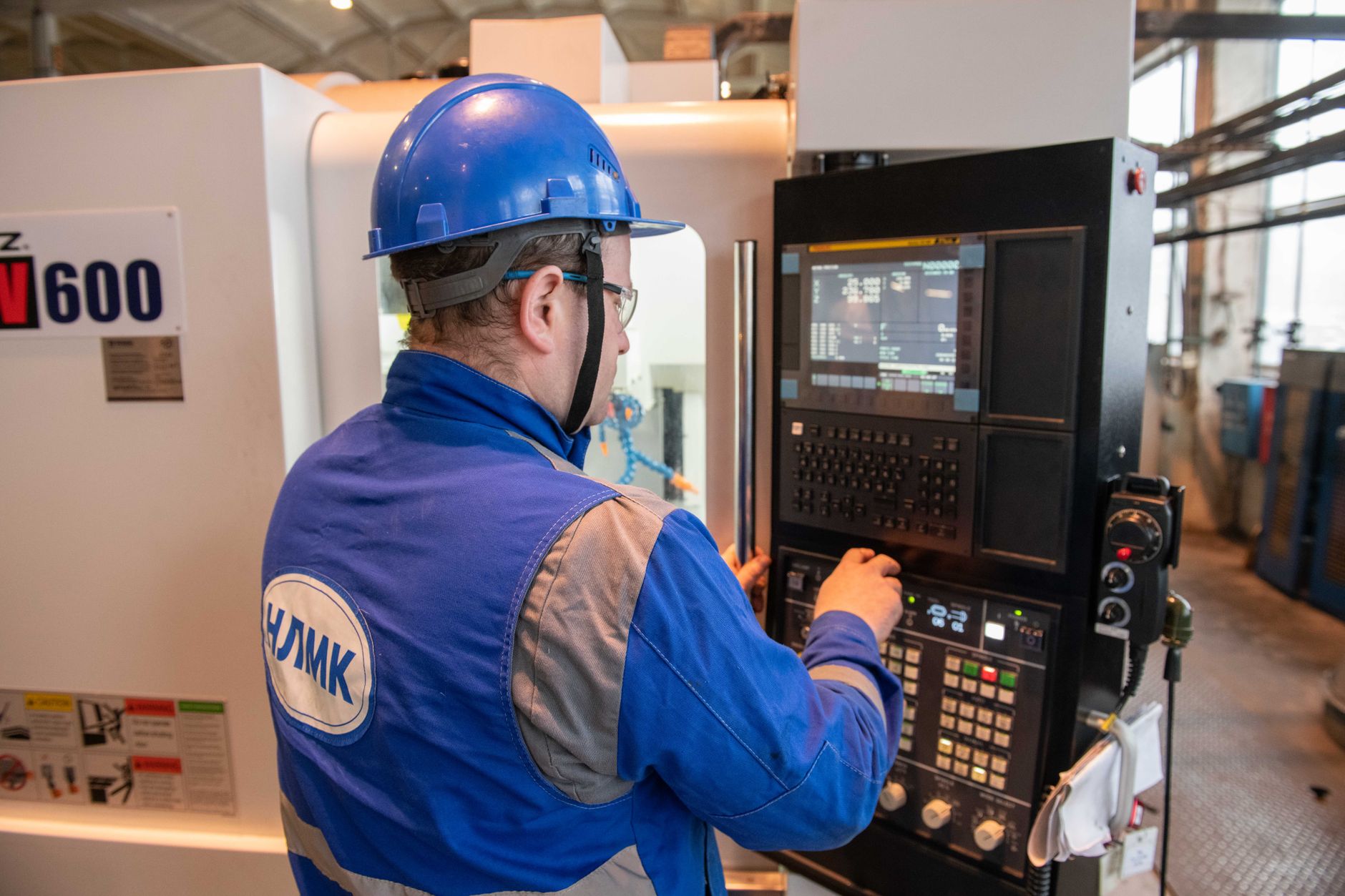
Sound like your shop?
A customer sends an RFQ. By the time you send a quote back, they already picked a shop that answered first.
Pricing comes from memory and gut feel. Some jobs win at a loss. You often find out weeks later, after the material and machine time are spent.
One or two people in the shop know how to price a job right. If they get sick or leave, quoting slows to a crawl.
A quote turns into an order. Someone re-types the same job details into a work order and an invoice. Every re-type is a chance to get a number wrong.
How many RFQs sat on the desk last month? Each one was a job someone else priced first.
How it works
From RFQ to paid invoice, one chain.
Build the job once, as a BOM
A BOM (bill of materials) is just the list of every part and raw material a job needs, with quantities. Enter it once. MetaBinary OS totals the material cost for you, including a scrap percentage for the stock you lose to cutting and setup.
Add the routing, and machine time prices itself
Routing is the list of operations a job goes through, like turning, milling, or deburring. Attach each operation to a machine (a "workcell") with a setup time and a per-part run time. The system rolls machine time straight into the quote cost. So pricing does not depend on one person remembering what a similar job cost last year.
One chain, from RFQ to paid invoice
A quote built this way turns straight into a contract, then a work order, then an invoice, with no re-typing. Machinists check off each operation as they go, so you can see actual time against what you quoted.
We set it up for you
This is not software you have to figure out alone. MetaBinary OS is the software, and we do the setup: we load your parts, machines, and standard operations into it and get your team quoting from it. That way it gets used, not left unopened.
What changes on the shop floor
Quotes go out faster. The cost math is already done the moment the BOM and routing are entered.
Fewer jobs won at a loss. Scrap and machine time get counted every time, not just when someone remembers to check.
Quoting is not stuck in one person’s head. Anyone on the team can build a job the same way and get the same number.
Less double-entry from quote to work order to invoice. That means less time spent copying numbers and less room for typos.

Who you're working with
MetaBinary is Joseph Rose. He spent 20+ years building software for enterprise, and held C-suite roles at a manufacturing estimating software company. He built the world's first instant online metal-casting costing engine. You talk to him, not a sales rep.
He has built the software manufacturers quote with — twice.
Questions shop owners ask us
- What is a BOM, exactly?
- A bill of materials, or BOM, is the list of every part and piece of raw material a job needs, and how many of each. MetaBinary OS supports BOMs with sub-assemblies. So a job made of smaller assembled parts still rolls up into one total cost.
- What is routing, and why does it matter for pricing?
- Routing is the order of operations a job goes through on the shop floor, like a turning pass followed by a milling pass. Each operation is tied to a machine, a setup time, and a run time per part. So the quote reflects real machine time, not a guess.
- Do you handle finite-capacity scheduling, like knowing which machine is free next Tuesday?
- Those are two different things. Booking a machine against a job and seeing what is free: yes, that works, and the system flags a clash before you double-book. Finite-capacity scheduling, where the system plans the work itself from due dates and lead times: not built yet. If that planning engine is the main thing you need, tell us early and we will be straight with you about fit.
- Can it track material certs, like mill certificates?
- Heat-number and mill-certificate (EN 10204 3.1) material traceability is built for shops that need it. If you need deeper compliance tracking for structural or welded work, our steel fabrication page covers that in more detail.
- Does this replace our existing quoting spreadsheet overnight?
- We set up your parts, machines, and standard operations with you. So the switch happens with help, not by handing you a blank system. You can keep the spreadsheet around as a backup while your team gets used to quoting from MetaBinary OS.
Ready to quote faster and stop guessing on price?
Tell us about your shop. We will walk you through how it works for a job like yours, and set it up for you.